SEMN Native Americans ‘need allies’
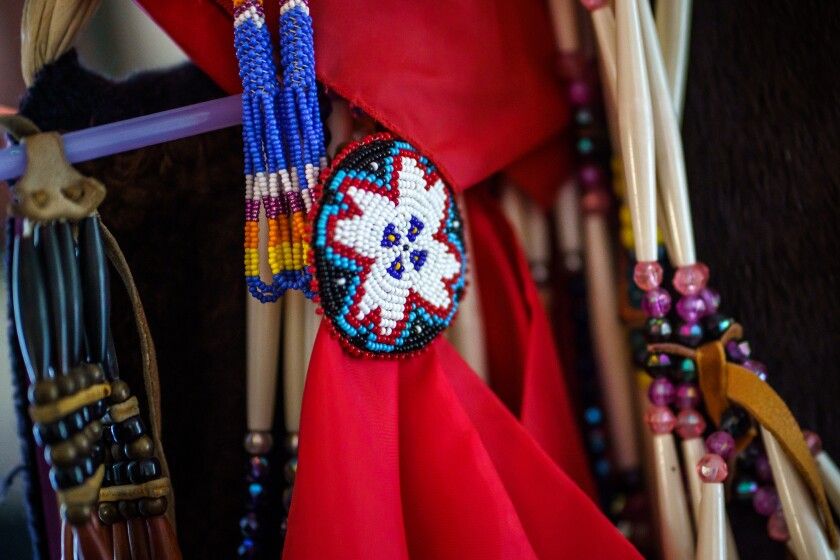
The Native American community in southeastern Minnesota is experiencing ongoing changes, with membership fluctuating as individuals often relocate. James Wilson, chairman of the Native American Center of Southeast Minnesota, noted that this instability is influenced by the transient workforce of Mayo Clinic and IBM in Rochester, complicating efforts for advocates to maintain accurate membership records. “The Native American Center was founded in 1984 to ensure they have support,” Wilson explained. “We all require allies to create a better world.”
When white settlers showed up in southern Minnesota, the Dakota Sioux had called that land home for generations. Starting in the 1830s, the U.S. pushed into Dakota territory, piece by piece, opening it up for new settlers. Native families were forced to move west or give up their old ways to live on reservations.
By the time Olmsted County became official in 1855, hardly any Native Americans were left in the area.
But that doesn’t mean Native culture disappeared. Actually, interest in Native traditions is making a comeback, Wilson said.
“People today seem to think that if Native Americans go back to traditional ways, it somehow makes them more spiritual,” he said. “That’s the appeal—this idea that Native people have a closer bond with the earth.”
He also pointed out something that stood in stark contrast. “The wealthy and powerful usually go in the completely opposite direction from indigenous people.” And these days, with all our tech, people are more cut off from nature than ever—a connection that’s always meant everything to Native communities.
Wilson is white, but he was adopted and raised by a Native family in Oklahoma, and he still feels tied to that heritage. He didn’t hide his frustration about the lack of unity among tribes.
“We’ve got our inter-tribal conflicts,” he said. “Some of us are still holding grudges from 300 years ago when tribes fought each other.”
